
What Causes Teeth Stains and How to Fix Your Stained Teeth
Types of Discolorations
Teeth stains and discolorations occur for many reasons, including food consumption choices, oral hygiene, and the use of certain medications. They generally appear on the surface of the tooth or the lower side of the tooth enamel. The dentist has identified three main categories of teeth stains:
Extrinsic Teeth Discoloration: An extrinsic tooth stain is a discoloration on the surface of a tooth. This occurs when the teeth come in contact with pigmented foods or drinks. These pigments then build up around the teeth in the form of stain particles. This strain is generally caused by the use of tobacco or by drinking coffee, tea, wine, or cola. Such stains can be cleared with either regular dental cleaning or brushing with whitening toothpaste.
Intrinsic Teeth Discoloration: Intrinsic teeth stains are natural discolorations below the surface of the tooth. This occurs when stain particles get through the exterior of the tooth and gather within the enamel. Excessive use of fluoride can result in intrinsic stains, especially in small children. As this is a natural tooth stain, it is difficult to remove – but it is not impossible. An intrinsic tooth discoloration would require bleaching by a professional or using teeth-whitening products at home.
Age-Related Teeth Discoloration: Age-related teeth discoloration is a result of both intrinsic and extrinsic tooth staining. The core of your teeth, the dentin, naturally yellows over time. As we grow old, the enamel that covers the teeth becomes thin, allowing the yellowed dentin to show through. This coupled with the consumption of certain foods, beverages, and tobacco throughout one’s life can cause one’s teeth to discolor with age.
What causes stained teeth?
- Tobacco: Use of tobacco in any form, be it smoking cigarettes or chewing tobacco, contributes to stained teeth.
- Poor Oral Care: Poor dental care and oral hygiene (such as a lack of daily brushing or flossing), will lead to discoloration.
- Food & Drink: Coffee, tea, red wine, dark sodas, some fruits, and vegetables are proven causes of discolored teeth.
- Trauma or Disease: Any trauma or disease that affects the enamel development in infants – either during the developmental stage in the womb or while their teeth are growing – can cause discolored teeth. Trauma and diseases that affect adult teeth, such as radiation, can also cause stained teeth.
- Medications and Treatments: Some medical treatments including antihistamines, chemotherapy, and some antipsychotic drugs, can also cause teeth discoloration.
How White should my Teeth be?
It can be difficult to tell how white teeth should be, especially since some teeth discolorations are natural and there is no universal standard of teeth whiteness. A study conducted in 2004 showed that even dental professionals have different standards on tooth whiteness when evaluating the same set of teeth. Nevertheless, you should still consult with your dentist on dental care and teeth cleaning.
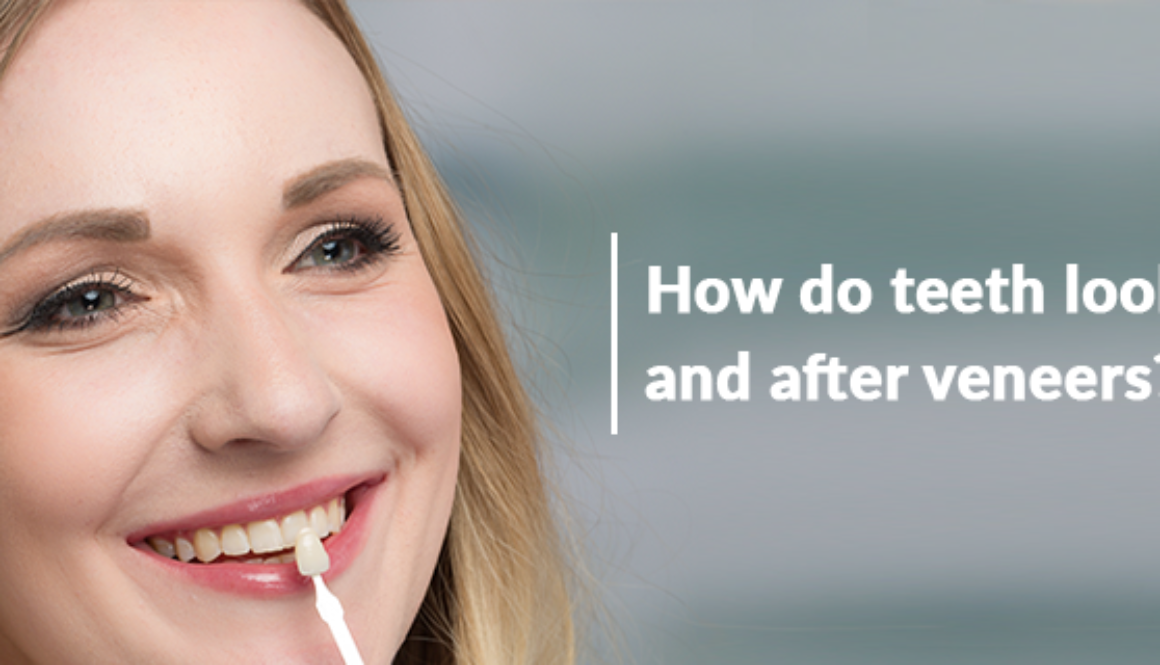
Teeth-whitening products also have different standards of teeth whitening. One method of checking the effectiveness of any Teeth-whitening product involves taking high-resolution images of your teeth before, during, and after applying the product, and then judge the whitening effects based on a decrease in yellow/redness in the teeth, and increase in lightness in the teeth.
How to Remove Teeth Stains
Luckily, there are methods to address and prevent discolored teeth.
You need to maintain a regular oral health routine. This includes daily brushing and flossing, visiting your dentist twice a month, and limiting your consumption of teeth-staining foods and drinks. Taking good care of your teeth will keep them looking clean and bright.
Regardless of the type of tooth stain you may have, there are many over-the-counter teeth whitening products available to help fix your stain. Ask your dentist for input on what kinds of teeth whitening products to use.
Regular dental check-ups and conscious consumption of food and drinks is also an important part of dental care. Remember to do these little things to avoid teeth discoloration.
Keep caring, keep smiling!
Book an appointment today or call (425)641-3311